
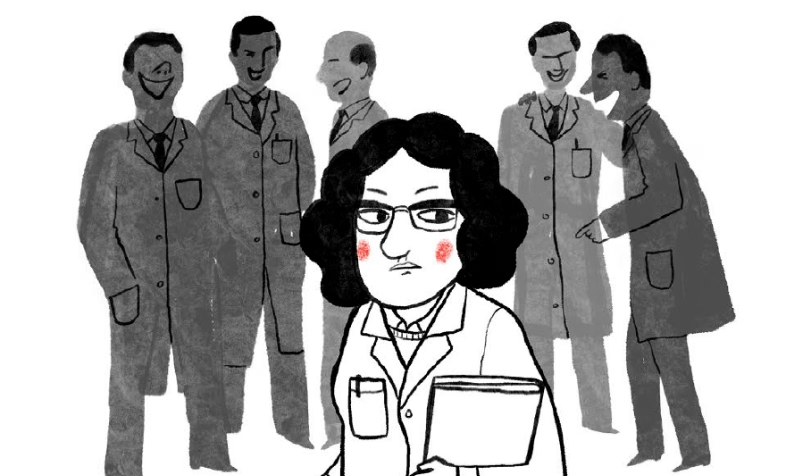
What is the Matilda Effect?
The Matilda effect is named after Matilda Joslyn Gage, an American 19th-century activist who already denounced injustices against women in scientific recognition. The term was popularized by historian Margaret W. Rossiter in the 1990s to describe the systematic tendency to minimize or ignore women's scientific contributions in favor of their male counterparts.
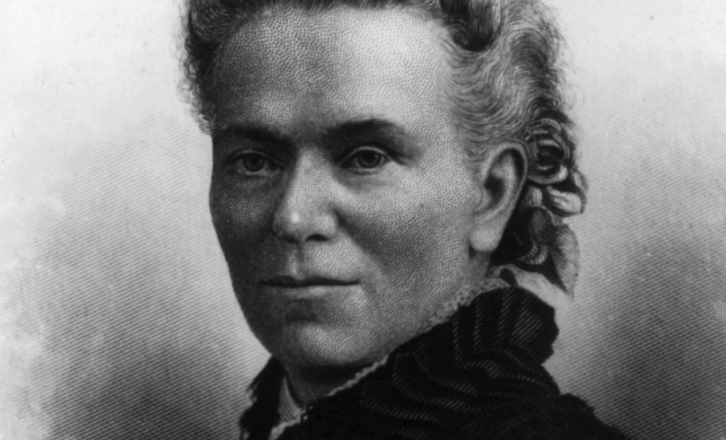
It manifests when works and discoveries by women are wrongly attributed to male colleagues, or when their contributions are simply forgotten in historical accounts and academic citations. This invisibilization can take several forms: lack of credit in publications, exclusion from awards or distinctions, or lack of public and media awareness.
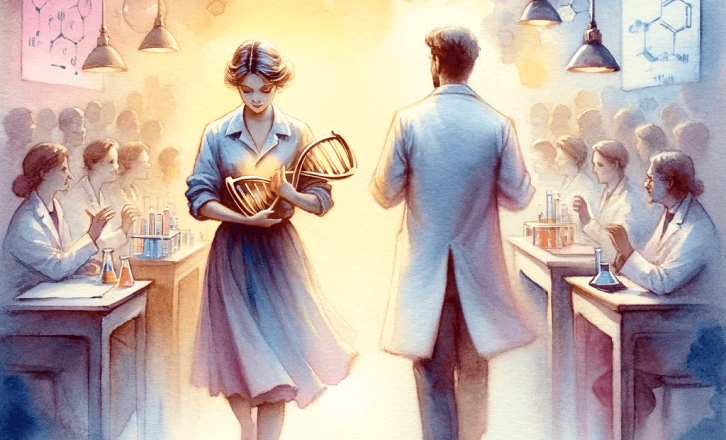
The Matilda effect reinforces sexist stereotypes and limits the visibility of female role models in science, hindering equal opportunities and inspiration for future generations. Understanding and denouncing this effect is an essential step to restore a fairer and more inclusive history of science, fully valuing women's contributions.
Matilda Timeline
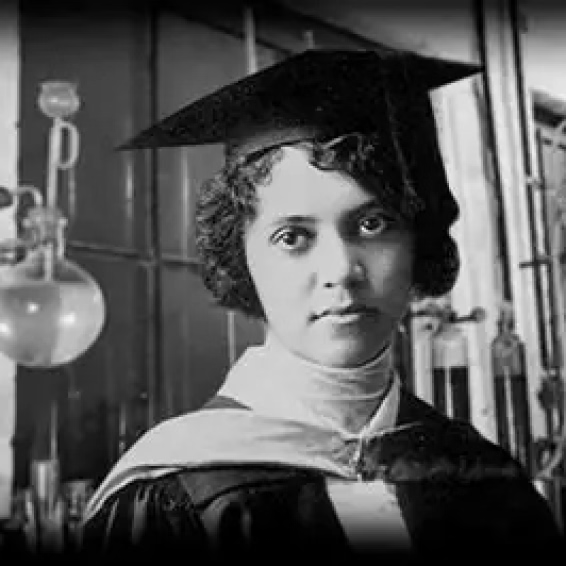
Alice Ball
1892 - 1916
First African-American woman chemist, she developed a revolutionary leprosy treatment, the "Ball method."
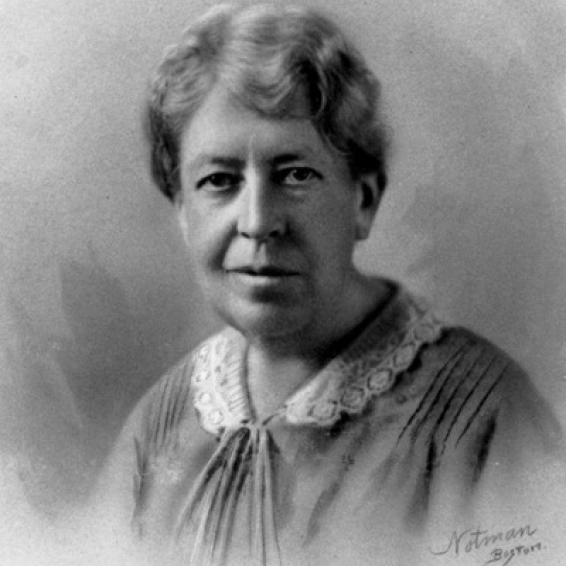
Mary Whiton Calkins
1863 - 1930
American psychologist and philosopher, first APA president, denied a PhD because of her gender.

Lucia Moholy
1894 - 1989
Hungarian photographer and documentalist, she documented the Bauhaus and contributed to spreading modernist works.
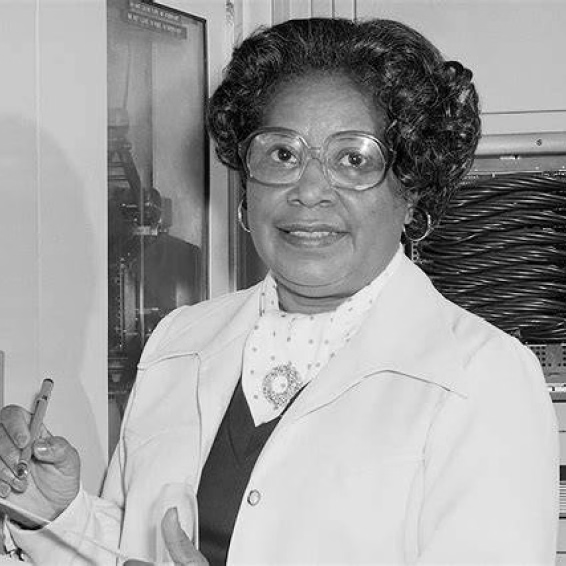
Mary Jackson
1921 - 2005
NASA engineer and mathematician, she broke racial and gender barriers in aerospace.
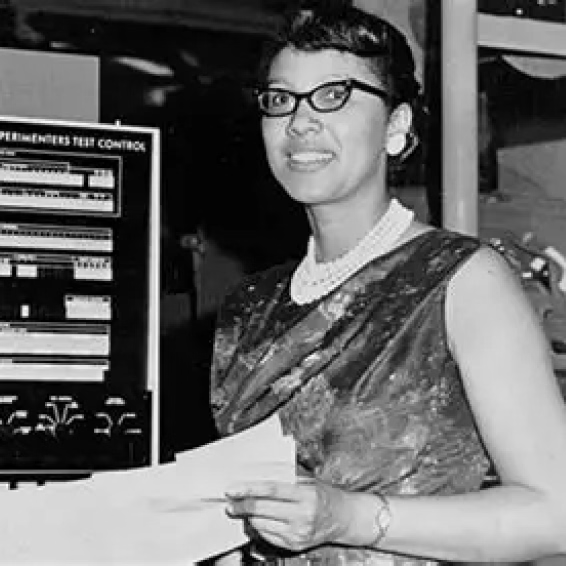
Dorothy Vaughan
1910 - 2008
African-American mathematician, NASA computing pioneer and mentor to other Black women.

Daisy Dussouix
1936 - 2014
Swiss biochemist recognized for fundamental discoveries on DNA's role in heredity.

Marthe Gautier
1925 - 2022
French physician and researcher, co-discoverer of the link between trisomy 21 and a chromosomal anomaly.

Jocelyn Bell Burnell
1943 - ?
British astrophysicist, she discovered pulsars, celestial objects of capital importance in modern astronomy.