
What is the Matilda Effect?
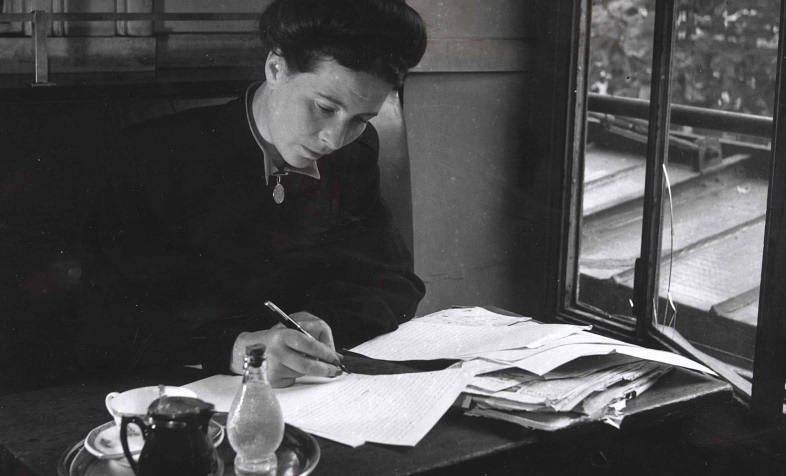
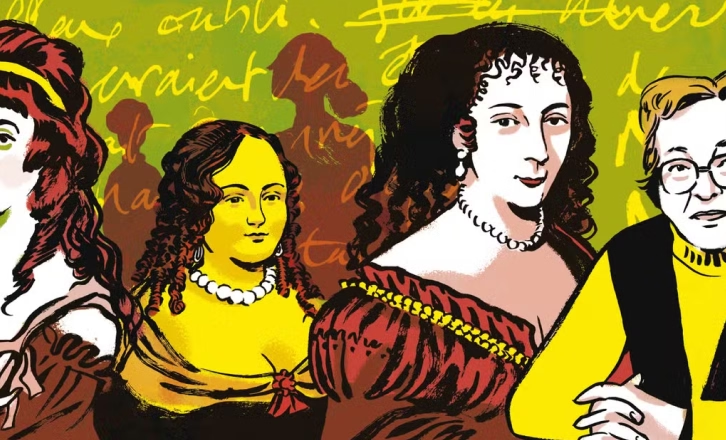
For a long time, women scientists have been underrepresented or invisible in literature, often overshadowed by male figures. This observation is largely explained by the Matilda effect, a phenomenon that minimizes their contributions. Over the past few decades, youth and adult literature has increasingly highlighted portraits of women scientists like Ada Lovelace, Émilie du Châtelet, or Rachel Carson. These works recount their scientific journeys and the obstacles they overcame, offering inspiring role models and better representation of diversity* in science.
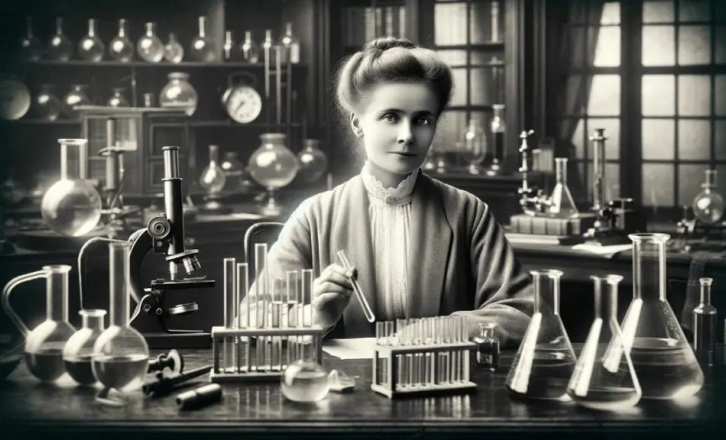
These portraits come in various formats: biographical novels, illustrated essays, literary documentaries, and even plays. They explore not only scientific discoveries but also social contexts and challenges related to sexism*. In youth collections as well as for adults, these works aim to make these figures accessible, show their humanity, and value their often unknown contributions. They play an important role in evolving mindsets and encouraging equality in scientific fields.
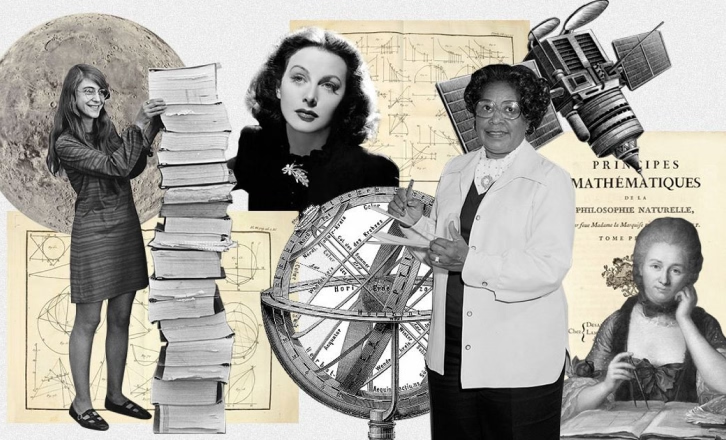
This literary evolution fits into a broader movement to promote women in science and fight inequalities. Associations and cultural initiatives multiply actions to disseminate these stories and raise public awareness, especially among young girls. Integrating these heroines into literature helps push back oblivion and nurture a more inclusive collective imagination. It provides concrete and motivating role models so that tomorrow's science is built equally by women and men.